Research
My research asks how structural forces shape the lived experience of working people — and how those same workers resist, contest, and organize against the conditions imposed on them. I'm particularly interested in how precarity and exploitation are felt in bodies, structured by managerial decisions and public policy, and reproduced across the workplace and the community simultaneously. I work through community-based participatory action research and qualitative methods: in-depth interviews, participant observation, focus groups, and surveys designed and carried out with worker organizations.
Endemic precarity in the food system
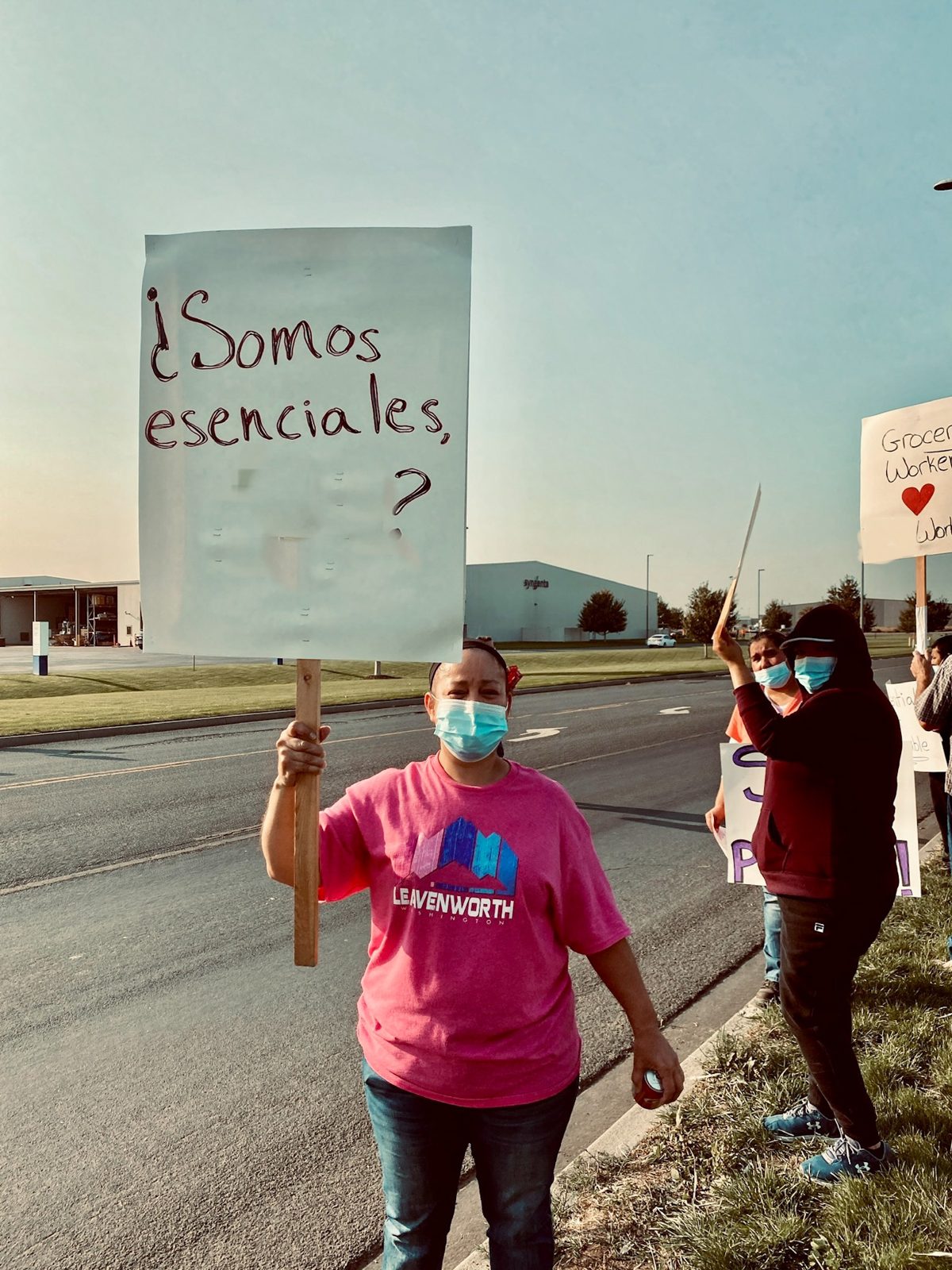
The center of my scholarship is the concept of endemic precarity: a multi-scalar regime of embodied harm and racialized debilitation that operates simultaneously across the workplace, the community, and immigration policy. The framework grew out of my dissertation, The Hands That Feed Us — more than seventy in-depth interviews and years of fieldwork with Latinx workers in fruit, vegetable, and fish processing and meatpacking plants in the Pacific Northwest — and three cases of collective organizing during the COVID-19 pandemic.
Key publications: “Endemic Precarity” (Agriculture and Human Values, forthcoming); “At the Intersection of Productive and Reproductive Labor: Latina Apple Packers' Pandemic Struggles” (Labor Studies Journal, 2026); “No Choice but to Be Essential” (Sociological Perspectives, 2021 — Distinguished Contribution Award, Pacific Sociological Association). Current writing extends the framework to paid sick leave and what I call negative containment.
Farmworkers in Wisconsin
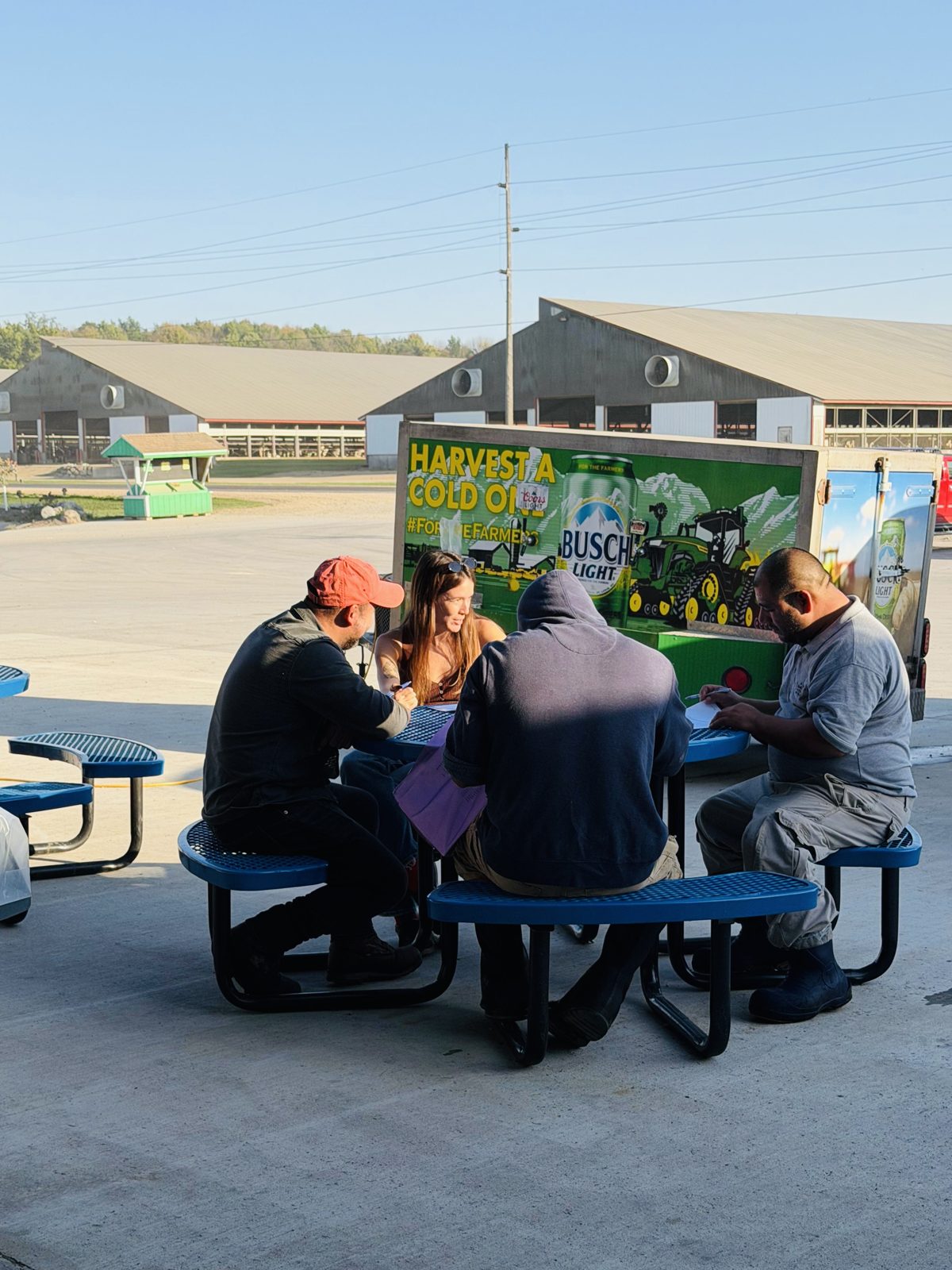
Since arriving in Wisconsin I have built a community-engaged research program with and for the state's agricultural workforce. As co-PI of the Dane County Farmworker Housing Project (with Carolina Sarmiento and Armando Ibarra) and of Assessing Farmworker Needs in Wisconsin (with Michaela Hoffelmeyer), I lead fieldwork combining farm visits, focus groups, and a statewide survey that has reached more than 300 agricultural workers through the Wisconsin Farmworkers Coalition. With the Reilly Baldwin Wisconsin Idea Grant, I'm also studying the organizations that serve Wisconsin's Latine immigrant communities.
Work, health, and policy
A second stream addresses the organizational and policy conditions that shape workers' ability to exercise collective power. With the Wisconsin Department of Health Services, I led a statewide, bilingual assessment of worker health and safety (“Listening to Wisconsin's Workers,” 2025) that also produced trainings and know-your-rights materials. Earlier collaborative projects examined unpredictable scheduling and Oregon's first-in-the-nation Fair Workweek law (ILR Review), the union-avoidance industry (Economic Policy Institute), workers' compensation access, and the labor crisis in home-based childcare. As a Visiting Scholar at the Federal Reserve Bank of San Francisco, I studied the impacts of overwork on low-wage workers.
How I work
Every project on this page was designed with workers and their organizations as genuine partners, not research subjects. Findings return to the communities they come from: in worker trainings, bilingual materials, public testimony, and presentations given alongside the workers themselves.